
The following was written in April, 2017. Although it was never published here, and is outdated by a few years, it contains relevant information and statistics regarding the refugee crisis in Syria.
Since 2011 the nation of Syria has been in a very violent and tragic state. The Syrian people have found it extremely difficult to maintain employment, provide for their families, and to be safe amongst all of the conflict of the civil war. Although the situation in Syria is deeply complex, the intent of this article is to give a superficial insight into those individuals who have been displaced since the conflict began. These displaced individuals, widely referred to as refugees, have endured a great deal within the past years. The stance of this article is not an opinion or personal view, but one that simply explains the refugee crisis that was created. The information within this document is relied heavily upon reported knowledge, statistics, and inferences from multiple sources. It is important to understand the origins of the current state, as well as the impact that it is having on millions of lives.
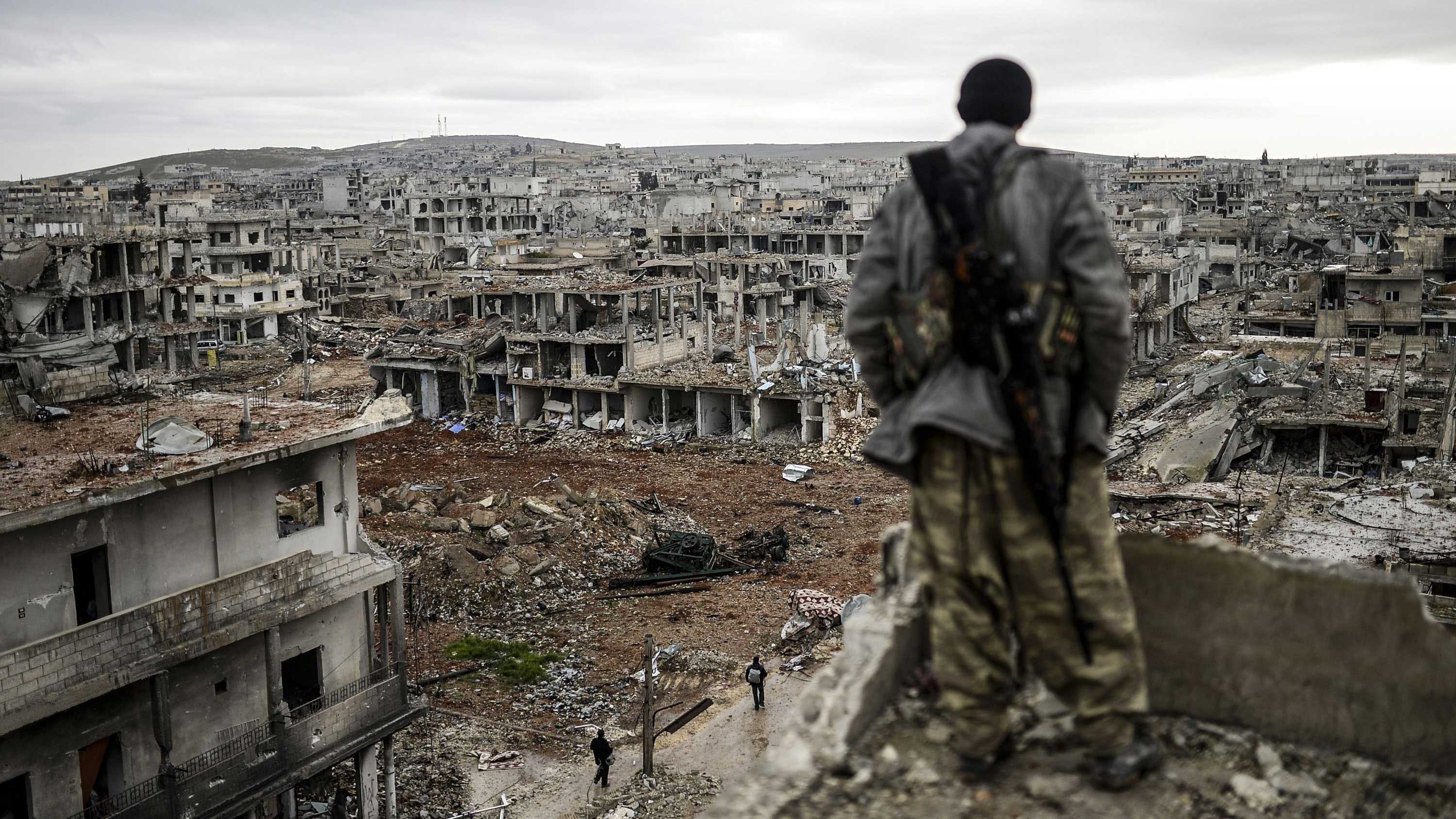
The affect that the conflict in Syria is having on its people is tremendous, but what started it? In March of 2011, peaceful protests were being held in the streets of Damascus and Aleppo. These protests were met with violence from the government which caused many groups to fight back against the regime. Defectors from the army along with many civilians took up arms as the opposition. Other countries and religious groups such as Russia, Iran, ISIS, and now the United States have complicated the situation even more. While the politics and circumstances continually evolve, the focus here is on the refugees themselves.
The refugee crisis is becoming too much to bear for Syria and many other countries involved. In fact, it is estimated that every 15 seconds, a Syrian becomes a refugee. An average of 6,000 families is forced to leave their homes each day due to fighting. This ongoing fighting has killed hundreds of thousands of civilians, and obliterated the infrastructure and economic markets. Over 6.3 million people are displaced within Syria and 13.5 million need emergency assistance. Roughly 4.9 million Syrians live in areas that are difficult or impossible for aid workers to access. Sexual violence against women, child labor, along with physical and mental trauma is worsening. The attacks have left some 1.7 million children to leave school, setting them back in education and with their lives. It is not safe for civilians to be out of their homes as civilian infrastructure has been targeted including areas of employment, means of travel, and hospitals. This has caused a large amount of refugees to seek new lives in places such as Jordan, Iraq, Lebanon, Turkey, Europe, and in the United States.
In addition to the 6.3 million displaced individuals within Syria, there are five million Syrian refugees in other countries. This means that half of the Syrian population is displaced from their homes and that number is increasing daily. It is estimated that 95% of people lack adequate healthcare, 70% lack regular access to clean water, and 80% of them live in poverty. Organizations that help deliver aid have been caught in cross-fire, killed, or badly injured. The refugees leaving the conflict at home are then finding more conflict in Iraq, creating cultural tensions in Turkey, and are oftentimes finding it more difficult to live in other countries outside of Syria. Language barriers, ability to find legal work, religious beliefs (different sects), and cultural differences are a few of the issues that are faced when leaving their home country. Refugees in crowded areas/camps experience water shortages, food shortages, and lack medical supplies to meet the concerns of diseases. The refugee camp named Za’atan in Jordan has approximately 80,000 Syrian refugees. These individuals feel trapped and crowded which forces them to leave to other areas and countries. Families sometimes walk for miles throughout the night in order to avoid being shot by snipers or being caught by groups that will kidnap young men to fight for their cause (ISIS). To add perspective to the problem of overcrowding: one in four people in Lebanon are Syrian refugees and one in ten people in Jordan are refugees from Syria.
The harsh conditions in neighboring countries only increases while more and more refugees flee. Most refugees have to find a way to pay rent but do not have a legal way to work in Jordan and Lebanon. They struggle to find odd jobs and accept low wages that usually cannot cover their basic needs. Many children try to find employment as well in hopes that they can contribute to the support of their families. This has further forced the refugees to seek a better life in Europe. Included in this decision is the dangerous travel by boat across the Mediterranean Sea from Turkey to Greece. During this process many refugees do not make it and the others are met with opposition in their new countries. The refugee crisis in Syria has claimed many lives. As of March of 2017, it is estimated that 470,000 Syrian people have died. The horrendous civil war has created a life that is very horrifying to the civilians of Syria and it appears as if the situation is only intensifying. To say that these individuals need help is a huge understatement and it will take much time and resources to reverse the current state. The current climate is also ripe for the picking as many hands will be involved to gain power, strategic ground, and influence during the rebuilding of a broken nation.
Statistics used for this post were found via Mercey Corps in April, 2017.
 Wilks Wroasting
One thought on “Syrian Refugee Crisis”